The dynamics of modern contemporary living

Understanding the mechanisms of global economic evolution


Transformations of urban planning and rural areas
Denser urban hubs and evolving countryside
Custom home construction: a strategic life project
Residential construction is an ambitious project, combining architectural creativity, real estate investment, and planning. It involves designing a functional, ergonomic, and aesthetic space reflecting personal style. From blueprint design to eco-material selection, each step requires foresight to guarantee energy efficiency, comfort, and harmony.

Optimizing interior space
Prioritize custom built-in storage and multifunctional furnishings to maximize every square meter.

Choosing premium quality materials
Combine sustainable durability and modern aesthetics for floors, walls, and furniture.


Harmonizing palettes and textures
Create chromatic coherence between the different rooms for a balanced design.


Personalizing living spaces
Designer accessories, curated objects, and works of art reflect individual style.
Discover the world according to travel desires
All options for tailor-made vacations
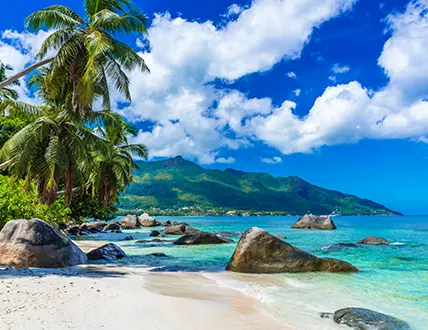
Pristine Beaches and Islands
Coastal resorts offer a perfect setting to relax, enjoy the sun and nautical activities. Whether snorkeling, scuba diving or simply unwinding, these destinations captivate with their biodiversity and soothing atmosphere.

Mountains and winter resorts
Trekking adventures at altitude
Mountains attract alpine hiking, climbing and winter sports enthusiasts. Luxury resorts allow combining outdoor activities with spectacular panoramas, offering an immersive experience in wilderness.
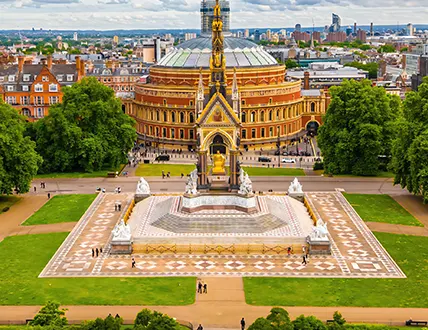
Metropolises and cultural capitals
Major hubs and cultural capitals invite exploring heritage, architecture and gastronomy. Museums, historic monuments and typical neighborhoods allow a complete immersion in cosmopolitan life.
Maintaining holistic physical and mental well-being
Nutritional balanced diet
Adopting a plant-based diet rich in micronutrients promotes energy, concentration, and immune system regulation, while preventing chronic diseases.
Regular cardio activity
Moving daily, through power walking, fitness, or yoga, strengthens the body, improves cardiovascular health, and releases endorphins, benefiting mood.
Anxiety and stress management
Practicing mindfulness, cardiac coherence, or relaxing hobbies regularly helps reduce cortisol, anxiety and improves restorative sleep quality.
Sufficient cycles of sleep
Getting REM sleep and maintaining a circadian rhythm is essential for cellular recovery, concentration, and emotional balance.

Traditional broadcasting: between heritage and adaptation
Legacy media such as press, radio, and TV play a crucial role in journalism. However, they must adapt to audience expectations regarding speed, interactivity, and podcasts, remaining relevant against online competition. Using cross-media platforms and personalized content.

Digital ecosystems: the era of connectivity
Digital media revolutionized how cultural content is consumed. VOD platforms, social networks, and live streaming offer instant access, allowing users to become active participants in content creation and dissemination, transforming cultural and media practices.
Preserving tangible cultural heritage through time
World heritage represents society’s tangible and intangible legacies, ranging from historical monuments to folklore, craftsmanship, and artistic expressions. Preserving it requires curation, restoration, and protection against urbanization. Promoting this heritage means ensuring accessibility through museums, virtual tours, sustainable tourism, and digital tools, raising awareness. This approach allows transmitting history, values, and cultural identity to future generations, enriching intercultural dialogue and stimulating arts education.